

Posted by Lucent Team

TL;DR:
Natural alternatives like matcha, green tea, and yerba mate offer steady, focused energy with less crash.
These options contain moderate caffeine, antioxidants, and support long-term health without added sugars or artificial ingredients.
Gradual substitution and routine adjustments help transition from coffee to healthier, more sustainable energy sources.
Coffee gets the job done. Until it doesn’t. The jitters kick in, the afternoon crash hits hard, and you’re left reaching for another cup just to feel normal. If you’re a health-conscious professional looking for a cleaner, more sustainable way to stay sharp, you’re not alone. Millions of people are moving away from high-caffeine, sugar-loaded drinks and toward natural alternatives that support real focus without the rollercoaster. This article walks you through how to evaluate your options, compares the best natural alternatives side by side, and helps you find the right fit for your lifestyle.
Table of Contents
Key Takeaways
| Point | Details |
|---|---|
| Natural energy options | Matcha and green tea deliver steady energy and focus without coffee’s downsides. |
| Low-sugar alternatives | Choosing drinks like Lucent matcha supports health goals and avoids sugar spikes. |
| Personalized routine | Gradual substitution and matching alternatives to your needs ensures lasting success. |
| Comparison matters | Side-by-side tables make it easy to identify the best fit for your lifestyle. |
How to evaluate healthy coffee alternatives
Not every “healthy” drink deserves that label. The market is full of products that promise clean energy but quietly load you up with hidden sugars, synthetic stimulants, or doses of caffeine that rival a triple espresso. Before you swap your morning coffee, it helps to know exactly what you’re looking for.
Here are the core criteria that separate a genuinely healthy alternative from clever marketing:
-
Natural ingredients: Look for whole-food sources like matcha, green tea, adaptogens (plants that help the body manage stress), or herbs. If the ingredient list reads like a chemistry exam, put it back.
-
Low or zero sugar: Sugar gives you a fast spike followed by an equally fast crash. Alternatives with no added sugar keep your energy more stable throughout the day.
-
Moderate, balanced caffeine: You don’t need to go caffeine-free to be healthy. You need caffeine that works with your body, not against it. Moderate amounts paired with calming compounds like L-theanine (an amino acid found in green tea) create alertness without anxiety.
-
Sustained energy profile: The goal is smooth, steady energy over several hours, not a sharp peak followed by a slump.
-
Support for focus: Some ingredients actively support cognitive function. Green tea for focus is a well-documented example, where stable energy without sugar spikes makes it a standout option for sustained mental performance.
Common pitfalls to avoid:
-
Too much caffeine: More isn’t better. High doses increase cortisol (your stress hormone) and can disrupt sleep, which tanks your focus the next day.
-
Artificial sweeteners: Some zero-calorie drinks swap sugar for synthetic alternatives that may affect gut health and cravings over time.
-
Proprietary blends: When brands hide ingredient amounts behind vague labels, you can’t know if you’re actually getting an effective dose.
Pro Tip: Flip the bottle and read the label before you buy. Look for caffeine sources, zero added sugars, and real vitamins. If you can’t identify the ingredients, your body probably won’t either.
With those standards set, let’s look at what actually makes the cut.
Top healthy alternatives: Matcha, green tea, and beyond
There’s a growing list of natural options that can replace or reduce your coffee habit without sacrificing energy or focus. Each one has a different profile, and the best choice depends on what your body and routine need most.
Matcha is finely ground Japanese green tea powder. It contains moderate caffeine (around 70mg per serving), L-theanine, and EGCG benefits in matcha that actively support focus and cellular health. EGCG (epigallocatechin gallate) is a potent antioxidant, and matcha contains EGCG in higher concentrations than most other teas. The result is calm, clear alertness rather than wired energy.
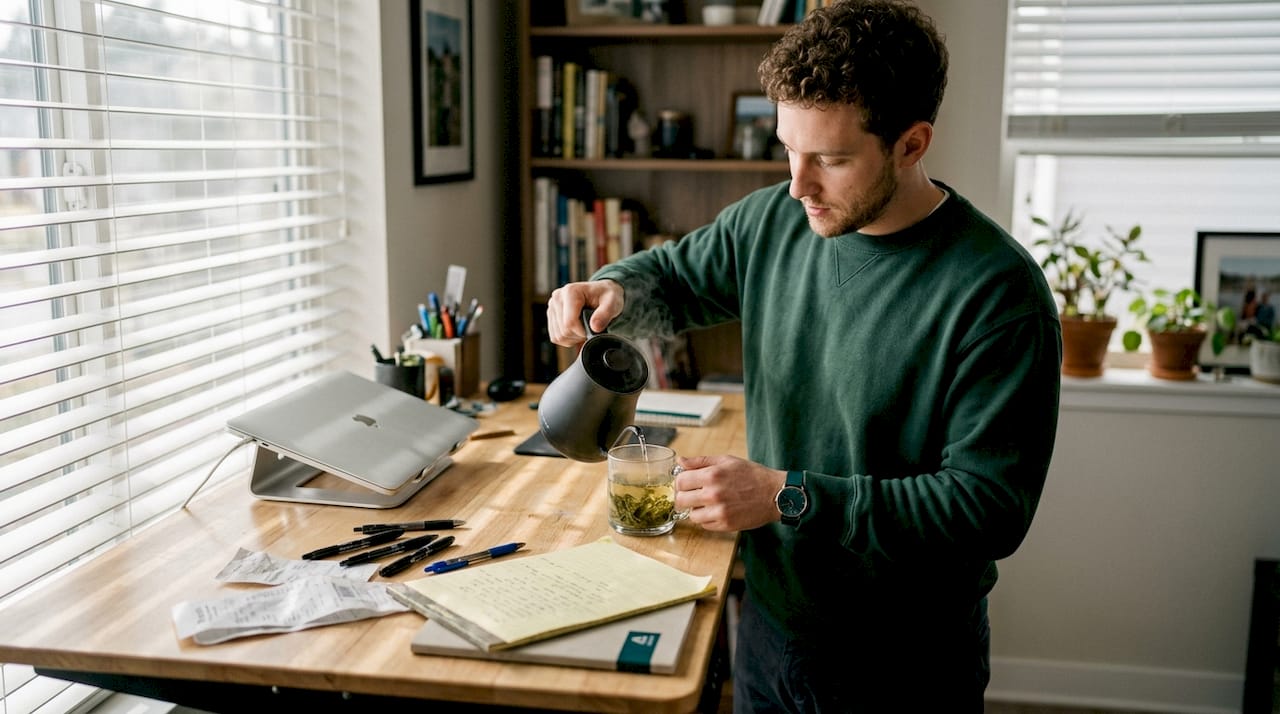
Green tea is lighter than matcha with around 30 to 50mg of caffeine per cup. It’s gentle, easy to drink throughout the day, and green tea for mental clarity is backed by solid research. It’s ideal if you want a daily ritual that supports balance without intensity.
Yerba mate A South American plant-based drink with a caffeine content closer to coffee (around 80mg per serving). It’s energizing and rich in antioxidants, but it can cause jitters in caffeine-sensitive people. Best used strategically rather than daily.
| Alternative | Caffeine | Sugar | Key benefit |
|---|---|---|---|
| Matcha | ~70mg | Zero (plain) | Sustained focus, antioxidants |
| Green tea | 30-50mg | Zero (plain) | Clarity, daily balance |
| Yerba mate | ~80mg | Zero (plain) | High energy, antioxidants |
Comparing energy and focus: Alternatives vs coffee
You’ve seen what each alternative offers individually. Now let’s put them side by side with coffee so you can see exactly where the differences show up.
| Drink | Caffeine | Added sugar | Energy duration | Focus quality | Crash risk |
|---|---|---|---|---|---|
| Coffee | 95-200mg | Often high | 1-3 hours | High initially | High |
| Matcha | ~70mg | Zero | Up to 4 hours | Calm and sustained | Very Low |
| Green tea | 30-50mg | Zero | 2-3 hours | Gentle and steady | Very low |
| Yerba mate | ~80mg | Zero | 2-4 hours | Sharp but variable | Moderate |
The numbers tell a clear story. Coffee delivers a fast, strong hit of caffeine, but that spike often comes with a cost. Jitters, elevated heart rate, and a sharp drop in energy a few hours later are common complaints. Add in the sugar from flavored lattes or creamers, and you’ve got a cycle that works against sustained productivity.
Matcha energy drinks offer a meaningfully different experience. The combination of natural caffeine and natural L-theanine creates a state of focused calm rather than stimulated urgency. And sustained, stable energy without a sugar crash means you stay productive longer without needing a second or third drink.
Key advantages of alternatives over coffee:
-
Fewer jitters due to lower or more balanced caffeine
-
No sugar crash when consumed without added sweeteners
-
Better hydration profile (green tea and matcha are gentler on the body)
-
Antioxidant content that actively supports long-term health
-
More predictable, even energy that supports deep work
Matcha in particular can deliver up to 4 hours of sustained focus, making it one of the most effective natural options for professionals who need consistent output across a full morning or afternoon.
Choosing the best alternative for your lifestyle
Knowing the options is one thing. Picking the right one for your actual day is another. Here’s a practical guide based on your goals and schedule.
Situational picks:
-
Morning alertness: Matcha or yerba mate. Both provide enough caffeine to replace your morning coffee while offering a cleaner energy curve.
-
Afternoon focus: Green tea or a matcha drink with added brain nutrients like Vitamin B6, B12, and magnesium. These support cognitive function without disrupting your sleep later.
-
Evening wind-down: Golden milk or chicory root. No caffeine, calming ingredients, and a warm ritual that helps you transition out of work mode.
“For professionals who need consistent mental output, a matcha-based morning routine paired with green tea in the afternoon creates a natural energy arc that supports focus across the full workday without overstimulation.”
Steps to transition away from coffee:
-
Start by replacing one cup of coffee per day with matcha or green tea.
-
Keep the ritual familiar (same time, same mug) to reduce the psychological resistance to change.
-
Stay hydrated. Caffeine reduction can cause mild headaches in the first few days. Water helps.
-
Experiment with two or three alternatives over two weeks before settling on your go-to.
-
Notice how your energy, sleep, and focus shift. Most people report feeling more even-keeled within a week.
The matcha drink benefits go beyond caffeine. When paired with essential nutrients, matcha supports the kind of steady, reliable focus that lets you do your best work without burning out by 3pm.
Why the conventional wisdom about quitting coffee misses the mark
Most advice about switching from coffee follows a familiar script: go cold turkey, push through the withdrawal, and you’ll be fine in a week. We’ve seen enough people try this to know it rarely sticks.
The real issue isn’t willpower. It’s biology. Coffee creates genuine neurological habits, and abrupt removal triggers fatigue, headaches, and irritability that make people feel worse before they feel better. That experience convinces them that coffee is irreplaceable.
The smarter approach is gradual substitution. Replace one cup at a time. Let your body adjust. And choose a replacement that actually delivers on the promise of energy and focus, not just a caffeine-free placebo.
Matcha is the closest thing to a direct upgrade. It provides real caffeine, real focus support, and real antioxidant value. When you add adaptogens and brain nutrients to the mix, you’re not just replacing coffee. You’re improving mental clarity and building a routine that supports long-term performance.
Personalization matters too. Some people thrive on matcha every morning. Others do better with green tea and a caffeine-free evening drink. There’s no single answer, and anyone who tells you otherwise is selling a one-size-fits-all solution to a very individual problem. The goal is to find what keeps you focused, calm, and energized. Matcha for sustained focus is a strong starting point for most people, but the best routine is the one you’ll actually stick to.
Discover Lucent: A smarter matcha-based energy option
If you’re ready to make the switch, Lucent was built exactly for this moment. Our zero-sugar matcha energy drink checks every box we’ve covered in this article: natural Japanese matcha, L-theanine for calm focus, and essential nutrients including Vitamin B6, B12, and Vitamin C.
There’s no sugar crash. No artificial stimulants. Just clean, sustained energy designed for people who take their performance seriously. Whether you’re replacing your morning coffee or looking for a sharper afternoon routine, Lucent matcha energy drink is worth trying. Explore the full story behind our formula and see how Lucent matcha benefits can support your daily focus and energy goals.
Frequently asked questions
What makes matcha healthier than coffee?
Matcha delivers antioxidants that support focus alongside moderate caffeine and L-theanine, producing calm alertness without the jitters or energy crashes that coffee commonly causes.
How can I switch from coffee to a healthier alternative?
Replace one cup at a time and give yourself at least two weeks to adjust. Matcha energy drinks are one of the easiest swaps because they provide real caffeine with a smoother, longer-lasting energy curve.
Are there caffeine-free healthy alternatives to coffee?
Yes. Chicory root brews like coffee and supports gut health through prebiotic fiber, while golden milk offers anti-inflammatory and calming benefits with no caffeine at all.
Is there a low-sugar option for sustained energy?
Absolutely. Lucent’s zero-sugar matcha delivers sustained focus and clean energy without any added sugar, making it one of the most effective low-sugar options available for daily use.















