

Posted by Lucent Team

TL;DR:
- Neurowellness focuses on training the nervous system to efficiently shift between stress and recovery states. Building foundational habits like sleep, mindfulness, and social connection enhances brain health and resilience. Nutrition, breathwork, and neurotechnology support this regulation but require a solid base of lifestyle practices for optimal results.
Most people assume brain health is about avoiding burnout or taking the right supplement. It’s not that simple. Neurowellness is a science-backed approach to mental wellbeing centered on how well your nervous system can shift between activation and recovery throughout the day. Over 68% of U.S. adults report daily stress, which means most of us are operating with a nervous system stuck in overdrive. This article breaks down what neurowellness actually means, which habits genuinely support it, and why ingredients like green tea are earning a real place in the conversation.
Table of Contents
- Key takeaways
- What neurowellness actually means
- Foundational habits that support brain health
- Green tea and neurowellness ingredients
- Breathwork, sensory tools, and gentle neurotechnology
- My take on what neurowellness actually requires
- How Drinklucent supports your neurowellness routine
- FAQ
Key takeaways
| Point | Details |
|---|---|
| Neurowellness is about regulation | Train your nervous system to shift between stress and recovery, not just avoid pressure. |
| Daily mindfulness works fast | Ten minutes of daily practice yields 42% greater anxiety reduction than longer, less frequent sessions. |
| Green tea supports calm focus | Caffeine and L-theanine together produce steady alertness without the spike-and-crash pattern of traditional energy drinks. |
| Recovery speed is the real metric | Measure progress by how quickly you bounce back from stress, not by how little stress you experience. |
| Small habits compound | Sleep, movement, breathwork, and smart nutrition work together as a system, not as isolated fixes. |
What neurowellness actually means
Neurowellness is not a buzzword for positive thinking. According to the Global Wellness Summit, it refers specifically to the nervous system’s ability to shift between arousal and recovery states with speed and flexibility. That distinction matters. The goal is not to eliminate stress. It’s to build a system that handles stress and then resets efficiently.
Your autonomic nervous system operates on two tracks. The sympathetic side activates you: heart rate up, cortisol released, attention narrowed. The parasympathetic side brings you back down: digestion resumes, breathing slows, the prefrontal cortex comes back online. Most people spend too much time in sympathetic overdrive, and that chronic imbalance chips away at memory, mood, and decision-making over time.
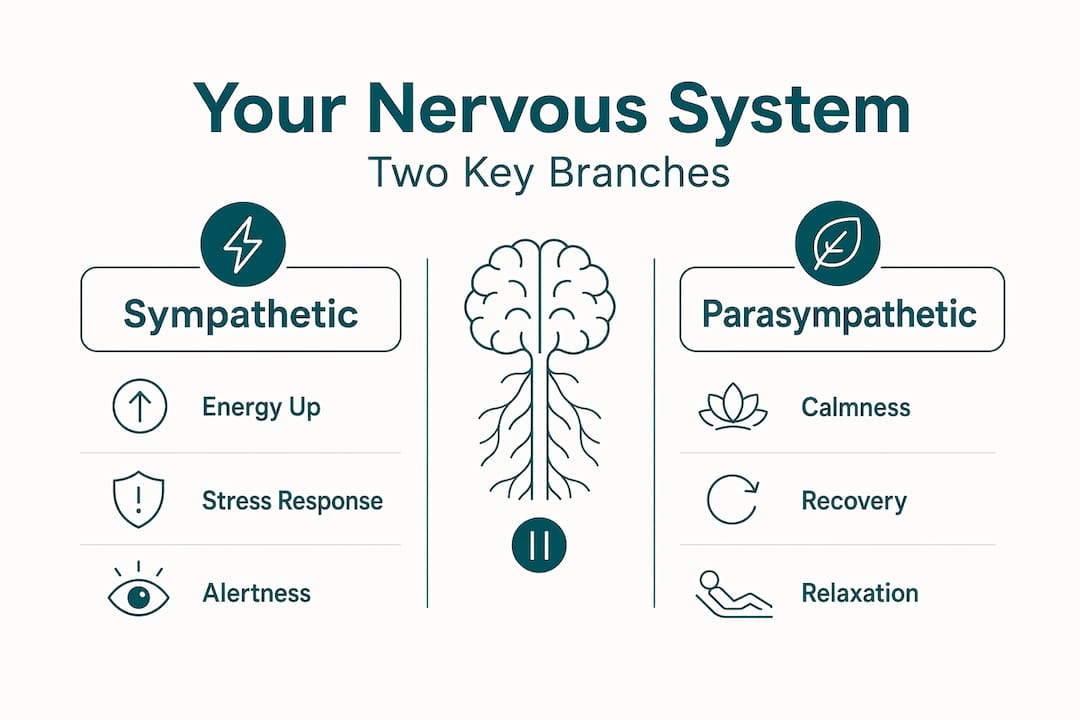
Vagus nerve stimulation is one of the most studied ways to support this balance. The vagus nerve acts as a communication highway between your brain and your body’s organs. When it’s well-toned, your parasympathetic recovery is faster and more reliable. You feel less rattled, more grounded.
Cognitive flexibility is another pillar of neurowellness. It’s a trainable executive function, but it requires genuine complexity. Brain fitness research confirms that simple brain games don’t cut it. Learning a new language, picking up an instrument, or navigating unfamiliar social environments challenges the brain in ways that actually build flexibility.
- Nervous system regulation = the speed and ease of your stress recovery
- Cognitive flexibility = your brain’s ability to shift between tasks and perspectives
- Vagus nerve tone = a measurable indicator of parasympathetic strength
- Chronic stress = a direct threat to prefrontal cortex function and working memory
Pro Tip: Track your recovery, not just your stress. If you bounce back from a difficult conversation or a bad night’s sleep within an hour or two, your neurowellness baseline is strong. If it takes all day, that’s your signal to act.
Foundational habits that support brain health
Lifestyle is the foundation. No supplement, device, or technique works well on top of a depleted system. Consistent sleep, exercise, and stress awareness are necessary conditions for cognitive fitness, not optional add-ons.
Here are the five practices with the strongest evidence behind them:
-
Daily mindfulness (10 minutes). Brief and consistent beats long and occasional. Ten minutes of daily mindfulness produces 42% greater anxiety reduction than longer sessions done sporadically. Set a timer. Breathe. Let thoughts pass. That’s enough to start.
-
Moderate physical activity (2.5 hours per week). The CDC recommends breaking this into 20 to 30 minute daily segments for both cognitive and cardiovascular brain health. A brisk walk counts. You don’t need a gym.
-
Consistent, quality sleep. Sleep is when the glymphatic system clears metabolic waste from your brain. Irregular sleep schedules disrupt this process and slow nervous system recovery. Aim for the same wake time every day, even on weekends.
-
Stress management with a recovery focus. Techniques like slow breathing, cold exposure, and gentle movement don’t just feel good. They actively speed up parasympathetic activation. The faster you recover, the more resilient your system becomes over time.
-
Social connection and co-regulation. Your nervous system reads safety cues from other people. Calm, connected interactions literally signal your brain to downregulate. This is why isolation amplifies anxiety and why a good conversation can shift your whole mood.
Green tea and neurowellness ingredients
Nutrition shapes brain chemistry more directly than most people realize. But as Mayo Clinic research makes clear, no single food is a magic fix. Long-term cognitive health depends on cumulative dietary patterns, and green tea fits naturally into that picture.
What makes green tea distinct is the combination of caffeine and L-theanine. These two compounds work together in a way that neither does alone. Caffeine sharpens focus and increases alertness. L-theanine, a naturally occurring amino acid, smooths out the stimulating edge, producing calm alertness and mental clarity without the sharp spike that follows a strong coffee or a conventional energy drink.
Matcha green tea also contains polyphenols, particularly EGCG (epigallocatechin gallate). These compounds show antioxidant and neuroprotective effects in nutritional research, meaning they may help protect brain cells from oxidative stress over time.
| Feature | Lucent | Traditional energy drinks |
|---|---|---|
| Caffeine level | Moderate and natural | High, often synthetic |
| Sugar content | Zero (when unsweetened) | Typically high |
| L-theanine | Present, promotes calm focus | Absent |
| Polyphenols (EGCG) | Rich source | None |
| Energy curve | Smooth and sustained | Sharp spike, then crash |
| Crash risk | Low | High |
The practical takeaway is straightforward. If you want steady focus without jitters, green tea and matcha are among the most well-researched options available. They fit into a neurowellness routine because they support the nervous system rather than overstimulate it.
- EGCG supports brain cell protection from oxidative damage
- L-theanine promotes alpha wave activity in the brain, associated with relaxed focus
- Moderate caffeine improves attention and reaction time without cortisol spikes
- Green tea fits MIND and Mediterranean dietary patterns linked to cognitive longevity
Breathwork, sensory tools, and gentle neurotechnology
Beyond lifestyle and nutrition, a growing set of tools targets the nervous system more directly. These are not replacements for sleep and exercise. They’re complements that can accelerate your progress or help on particularly difficult days.
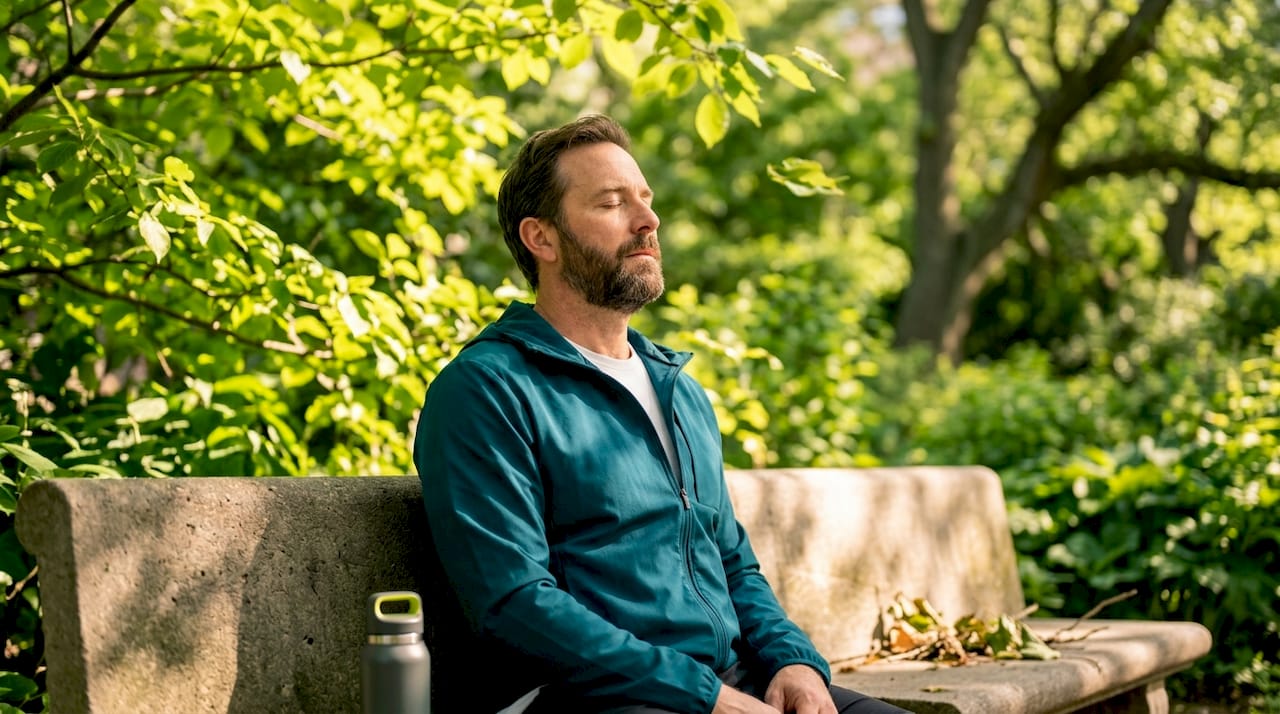
Breathwork is the most accessible. Slow, extended exhales activate the vagus nerve and shift the body toward parasympathetic recovery within minutes. Box breathing (inhale four counts, hold four, exhale four, hold four) and the physiological sigh (double inhale through the nose, long exhale through the mouth) are both well-studied and free.
Sensory regulation tools are gaining traction in both clinical and home settings. Weighted blankets, low-frequency sound (like drumming or humming), and gentle vibration all stimulate vagal pathways through the body rather than the mind. These are especially useful when mental techniques feel inaccessible during high-stress moments.
Our take on what neurowellness actually requires
I’ve watched the neurowellness conversation evolve from a niche clinical concept into a mainstream wellness category, and what strikes me most is how many people still approach it backward. They reach for the tool first: the app, the supplement, the wearable. Then they wonder why nothing sticks.
What I’ve learned is that the hardware has to come first. Sleep, movement, and stress awareness are not lifestyle bonuses. They’re the substrate everything else runs on. Without them, even the best ingredients and the most sophisticated neurotechnology are working against a depleted system.
Small, repeated regulation habits are what actually move that needle. Slow breathing before a meeting. A ten-minute walk after lunch. A consistent wake time. These feel underwhelming compared to a high-tech device or a new supplement stack. But they compound in ways that nothing else does.
How Lucent supports your neurowellness routine
If you’re building a neurowellness routine and want your daily energy source to work with your nervous system rather than against it, Lucent Matcha was designed for exactly that. Built around high-quality Japanese matcha green tea, each drink delivers caffeine and L-theanine together for calm, sustained focus with zero sugar and no crash. Essential nutrients like Vitamin B6, Vitamin B12, and Vitamin C round out the formula to support the kind of balanced, long-term brain health that neurowellness is actually about. Explore the full Lucent lineup and see how clean, functional energy fits into your day.
FAQ
What is neurowellness?
Neurowellness refers to the nervous system’s ability to shift between activation and recovery states with flexibility and speed. It goes beyond stress management to include cognitive performance, emotional resilience, and long-term brain health.
How does green tea support neurowellness?
Green tea contains both caffeine and L-theanine, which together promote calm alertness without sharp energy spikes. It also provides polyphenols like EGCG that offer neuroprotective and antioxidant benefits for the brain.
How long does it take to see results from neurowellness practices?
Consistent daily habits like mindfulness and breathwork can show measurable effects within two to four weeks. Recovery speed and mood stability are often the first improvements people notice.
What is the best way to start a neurowellness routine?
Start with sleep consistency and one daily regulation practice, like ten minutes of mindfulness or slow breathing. Build from that foundation before adding nutrition changes or technology tools.
Is neurofeedback worth trying for wellness?
Non-invasive neurofeedback can be a useful complement to lifestyle practices, particularly for people who want real-time insight into their brain states. It works best alongside foundational habits, not as a standalone solution.















