

Posted by Lucent Team

TL;DR:
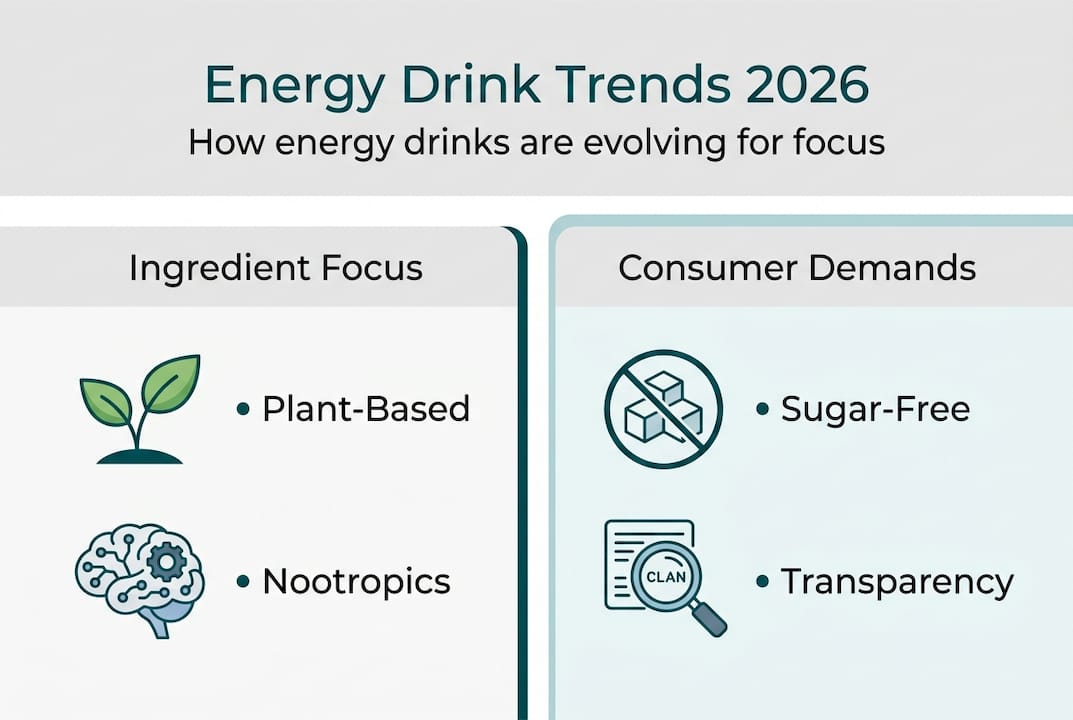
- Consumers now prefer sugar-free, plant-based, and functional energy drinks for sustained focus.
- Ingredients like green tea caffeine, adaptogens, and nootropics dominate 2026 formulations.
- Transparency and moderation are key as regulations tighten and personalized needs evolve.
Sugar-free has officially taken over. Health-conscious consumers are now driving over 70% of market growth in the energy drink space, surpassing full-sugar sales since 2022. The old model, loading up on sugar and a massive caffeine hit for a short burst of energy, is being replaced by something smarter. Today’s most sought-after energy drinks are built for mental performance, sustained clarity, and real, functional support throughout your day. If you’re still reaching for the same can you grabbed five years ago, this guide will change how you think about energy.
Table of Contents
- Why energy drinks are evolving: Market shifts and consumer demand
- Key ingredients leading the 2026 energy drink revolution
- Functionality and effects: Comparing traditional and new energy drinks
- What’s new in 2026: Regulation, transparency, and consumer empowerment
- What most people miss: Smart energy is about balance, not more boost
- Explore clean energy options with Lucent
- Frequently asked questions
Key Takeaways
| Point | Details |
|---|---|
| Sugar-free leads market | Sugar-free and low-sugar energy drinks now drive the majority of market growth. |
| Plant-based caffeines surge | Natural sources like matcha, yerba mate, and green tea are core to healthier drinks. |
| Nootropics enhance focus | Functional blends with nootropics and adaptogens support mental clarity for longer without jitters. |
| Transparency matters | Consumers demand clear labeling, ingredient transparency, and safer alternatives—regulations are tightening. |
| Moderation is essential | Even the cleanest energy drinks should be enjoyed with attention to personal limits and wellness. |
Why energy drinks are evolving: Market shifts and consumer demand
The energy drink category is one of the fastest-moving segments in the beverage industry. But something more meaningful than just sales numbers is happening beneath the surface. Consumers are changing what they want, and the market is responding with speed.
The global energy drinks market is projected at USD 83.31 billion in 2026, expected to reach USD 157.21 billion by 2034, growing at an 8.26% CAGR. That’s not just momentum. That’s a structural shift driven by functional, clean-label formulations replacing the sugar-heavy options that defined the category a decade ago.
| Market metric | 2026 value | 2034 projection | Growth rate |
|---|---|---|---|
| Global energy drink market | USD 83.31B | USD 157.21B | 8.26% CAGR |
| Plant-based segment | USD 10.22B | Growing rapidly | 6.5% CAGR |
| Sugar-free share of growth | 70%+ since 2022 | Surpassing full-sugar | Accelerating |
What’s driving this? The answer comes down to what people are actually asking for. Today’s consumer isn’t just chasing a jolt. They want focus that lasts through a deep-work session, without the crash that makes the afternoon feel impossible.
The top consumer drivers in 2026 include:
- Mental clarity and sustained focus over stimulation spikes
- Ingredient transparency and clean-label formulations
- Reduced sugar and artificial additives without sacrificing taste
- Functional nutrients that support long-term health, not just short-term performance
- Credibility and science-backed formulas that consumers can trust
This shift has pushed brands to rethink everything from ingredient sourcing to labeling. It’s also inspired innovation in unexpected directions. For example, some drink menu trends now incorporate functional beverage options to meet guest expectations for healthier alternatives. The appetite for clean energy extends well beyond gym bags and office desks.
What this means practically: if you’re choosing a drink to support your day, the market now offers genuinely better options than it did even three years ago. The challenge is knowing what to look for.
Now that we’ve established just how quickly the market is changing, let’s break down the core ingredients and innovations behind today’s most sought-after energy drinks.
Key ingredients leading the 2026 energy drink revolution
Understanding what’s in your drink is no longer optional. For performance-focused consumers, ingredient literacy is part of the process. The good news? The ingredient landscape has never been more exciting or more scientifically grounded.
The plant-based energy drinks market is valued at USD 10,220.73 million in 2026, growing at 6.5% CAGR through 2036. Natural caffeine from guarana, yerba mate, and green tea now powers a wide range of products, offering a cleaner metabolic profile than synthetic caffeine. These sources tend to deliver caffeine alongside naturally occurring polyphenols and other compounds that may influence how the body absorbs and processes stimulation.
Alongside plant-based caffeine, the integration of nootropics and adaptogens has become one of the defining features of next-generation energy drinks. Lion’s Mane mushroom for cognitive sharpness, ashwagandha for stress modulation, and ginseng for stamina are no longer specialty health-store finds. They’re mainstream ingredients showing up in performance-focused beverages aimed at professionals, athletes, and creatives alike.
Here’s how the major ingredient categories compare:
| Ingredient type | Primary benefit | Onset | Duration | Trade-offs |
|---|---|---|---|---|
| Synthetic caffeine | Fast energy boost | 15-30 min | 4-6 hours | Jitters, crash risk |
| Green tea caffeine + L-theanine | Calm, focused alertness | 30-45 min | 4-6 hours | Slightly slower onset |
| Adaptogens (ashwagandha, ginseng) | Stress reduction, resilience | Variable | Cumulative | Less immediate |
| Nootropics (Lion’s Mane, bacopa) | Executive function, attention | Variable | Gradual | Needs consistent use |
| Caffeine-free herbal blends | Gentle, sustained support | 20-40 min | 3-4 hours | Less stimulating |
A major reason matcha vs coffee for focus is such a popular conversation right now is L-theanine, the amino acid found naturally in green tea. It works alongside caffeine to smooth out the stimulation curve, reducing anxiety and jitteriness without blunting alertness. That combination has become a defining feature of premium functional beverages designed for mental performance.
Here’s a look at the top ingredient trends shaping 2026 formulas:
- Green tea and matcha extracts for clean caffeine with cognitive support
- L-theanine for modulating the effects of caffeine toward calmer focus
- Adaptogens like ashwagandha and ginseng for stress balance and endurance
- Nootropics like Lion’s Mane for cognitive enhancement over time
- Essential vitamins (B6, B12, C, magnesium) to fill nutritional gaps
- Caffeine-free herbal alternatives for sensitive consumers or evening use
The benefits of matcha and brain nutrients go beyond caffeine delivery. Functional vitamins and minerals play a real supporting role in how well your brain performs under sustained cognitive load, particularly during long workdays or creative sprints.
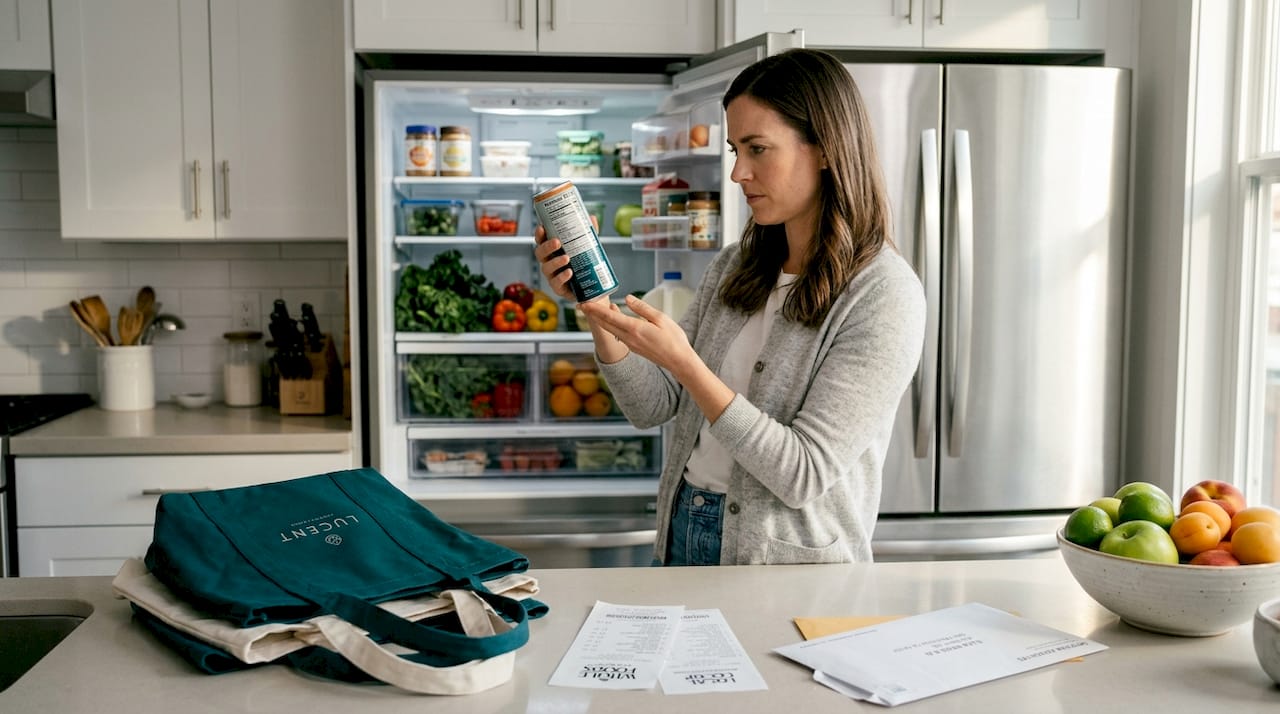
Pro Tip: When evaluating a functional drink, look for specific dosages on the label rather than just ingredient mentions. A product that lists “contains ashwagandha” tells you little. One that lists “300mg KSM-66 ashwagandha extract” gives you something you can actually research and evaluate.
Understanding the main ingredients helps you navigate choices, but how do these new blends actually impact performance, cognition, and safety compared to traditional energy drinks?
Functionality and effects: Comparing traditional and new energy drinks
Science is starting to catch up with market innovation. And the findings are nuanced in ways worth understanding before you make your next choice.
Research from a double-blind study on nootropics and caffeine found that multi-ingredient nootropic formulas can improve selective attention and executive function comparably to a 150mg caffeine dose, but without raising blood pressure or producing negative mood effects. However, the same study found no significant improvement in sustained attention, which is an important trade-off to understand if your work demands long hours of consistent focus rather than sharp bursts.
The bottom line: Nootropics aren’t a straight caffeine replacement. They work differently, and for many cognitive tasks, that difference is a feature, not a limitation.
On the caffeine plus L-theanine question, a performance study on L-theanine and caffeine found something interesting: the combination doesn’t offer synergistic benefits for strength or endurance over caffeine alone. L-theanine alone was also found to reduce certain strength outputs. This matters for anyone using functional drinks around physical training. The combination excels at cognitive performance, not at maximizing athletic output.
So what does this mean for you practically?
- For deep focus and complex problem solving: Green tea caffeine combined with L-theanine is highly effective, offering comparable attention benefits to heavier stimulant doses with a cleaner profile
- For physical training and power output: Standard caffeine without L-theanine may still have an edge for strength-based activities
- For stress resilience and mood during work: Adaptogens offer genuine support, especially over time with consistent use
- For peak alertness without side effects: Nootropic blends match caffeine on selective attention tasks without the cardiovascular or mood downsides
Reading about green tea and focus helps connect the science to a real, accessible ingredient that’s been studied extensively and sits at the heart of modern functional beverages. The evidence for green tea’s cognitive benefits is genuinely strong, particularly at the L-theanine and polyphenol level.
The real contrast between traditional and new-generation energy drinks isn’t about which one is stronger. It’s about which one supports the type of performance you’re actually after. Traditional drinks were engineered for stimulation. New drinks are engineered for function.
With clarity on how today’s drinks function, let’s look at the new challenges facing both drink makers and consumers in 2026.
What’s new in 2026: Regulation, transparency, and consumer empowerment
The functional beverage space is growing fast, but it’s also growing up. Regulatory attention is intensifying, and that’s mostly a good thing for informed consumers.
Regulatory pressures and consumer scrutiny on high-caffeine and high-sugar products are driving a visible shift toward caffeine-free herbal alternatives and cleaner formulations. Brands that can’t justify their ingredient choices with transparent labeling are facing harder questions from both regulators and consumers.
Key changes shaping the category in 2026:
- Caffeine limits under review in multiple markets, pushing brands toward moderate, evidence-based dosing rather than maximum stimulant loads
- Sugar content restrictions encouraging zero-sugar and reduced-sugar formulas across mainstream and premium segments
- Mandatory ingredient disclosure requirements making it harder to hide behind proprietary blends with no dosage transparency
- Rise of direct-to-consumer functional brands that build their customer relationships on full transparency and community trust
- Personalized energy solutions emerging through customizable blends and subscription models that let you dial in your own formula
Knowing what’s really in your matcha or any other ingredient source is now a baseline expectation, not a premium feature. Consumers who understand the sourcing, grade, and concentration of their ingredients can make genuinely better decisions. That knowledge gap is closing fast.
The planning side of this matters, too. Whether you’re stocking up for a busy work week or prepping for an event, approaching your beverage choices with intention mirrors the same mindset smart brands are building into their products. Resources like an event beverage preparation guide highlight how thoughtful beverage planning applies across contexts, not just individual daily habits.
Pro Tip: If a drink label lists a “proprietary blend” without specific ingredient amounts, treat that as a flag. Quality functional beverages now lead with dosage transparency because that’s what science-literate consumers and regulators expect.
The most empowered thing you can do right now is slow down before you buy, read the label critically, and ask what each ingredient is doing at that specific dose. Not just whether it sounds good.
What most people miss: Smart energy is about balance, not more boost
Here’s the perspective that most energy drink conversations miss entirely: more isn’t better. And stacking ingredients doesn’t automatically stack benefits.
The functional beverage market has done a brilliant job marketing complexity. A long ingredient list with nootropics, adaptogens, vitamins, amino acids, and plant extracts looks impressive. It signals effort and sophistication. But the science tells a more humbling story. More ingredients introduced at subclinical doses often produce no meaningful effect at all. Ingredient synergy is real in some cases, but it requires specific combinations at specific doses, not just a laundry list.
The most effective approach is also the least exciting to market. Know your goal. Pick two or three well-researched ingredients at evidence-based doses. Use them consistently. Evaluate honestly. Adjust if needed. That’s it. No 27-ingredient formula required.
There’s also a personalization dimension that most people underestimate. Caffeine metabolism varies significantly between individuals due to genetic differences in liver enzymes. What gives your colleague four hours of clean focus might give you anxiety at half the dose. Adaptogens like ashwagandha can genuinely reduce cortisol and improve stress resilience in some people, and do very little for others. Your perfect functional drink isn’t necessarily the one with the best marketing.
The bigger truth is this: sustained energy and focus aren’t primarily solved by any drink. Sleep quality, nutrition, hydration, and mental recovery are the foundation. Functional beverages work best as a smart complement to those foundations, not a shortcut around them.
For people exploring calmer energy options, this framing is especially useful. The goal isn’t peak stimulation. It’s reliable, calm, clear performance, day after day, without the kind of overstimulation that undermines the very focus you’re chasing.
The best energy drink for you is the one that supports your actual life. Not the one that sounds most powerful.
Explore clean energy options with Lucent
If the evidence points anywhere, it points toward clean, simple, and well-formulated. That’s exactly what Lucent is built around.
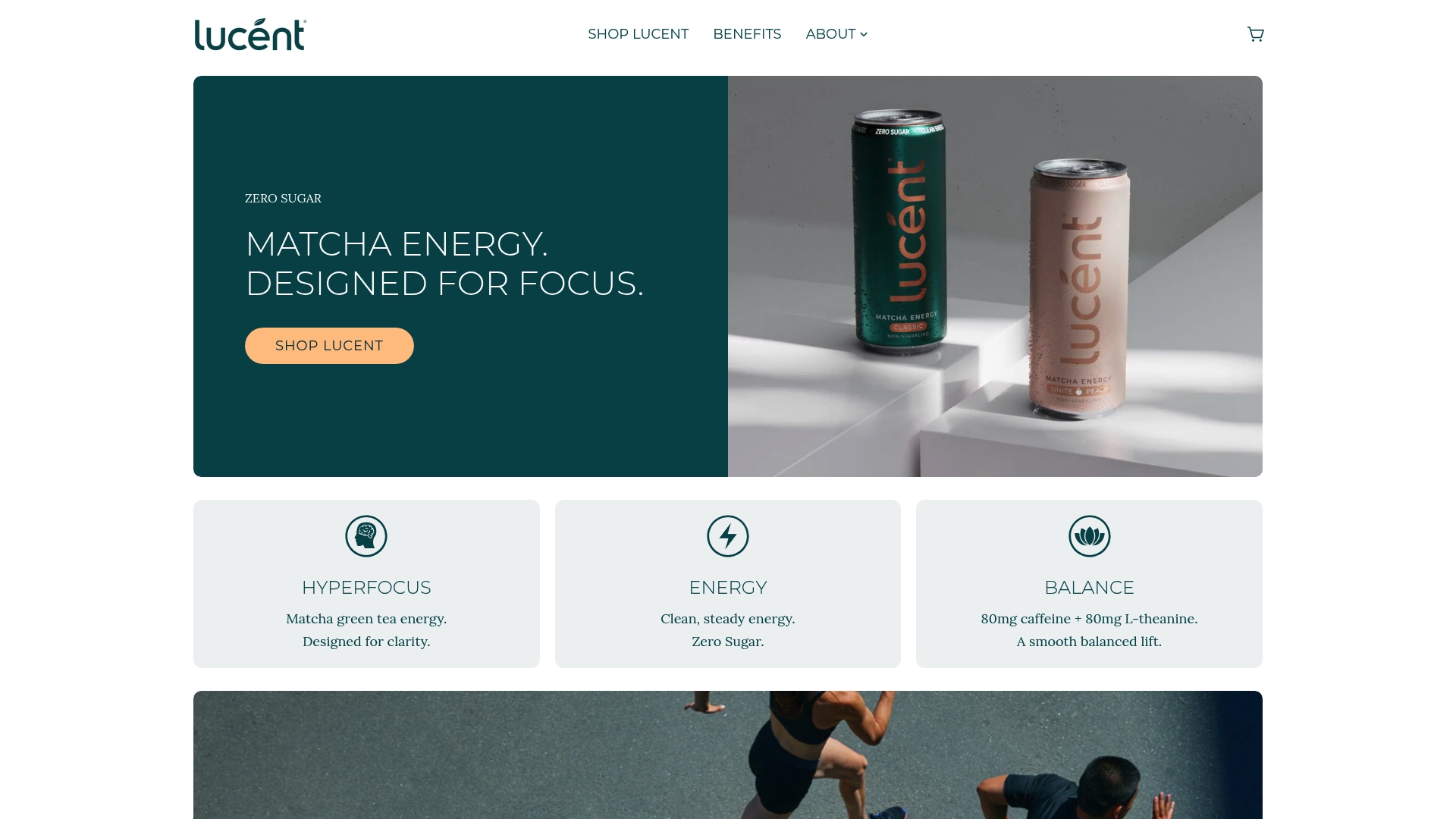
Lucent’s functional energy drinks center on premium Japanese matcha green tea, naturally delivering caffeine and L-theanine together for calm, focused alertness without the spike-and-crash cycle. Every formula is zero sugar and built with supporting nutrients including Vitamin B6, Vitamin B12, magnesium, and Vitamin C to complement modern performance demands. You can explore the full range of benefits of Lucent energy drinks to see exactly what’s in each can and why it’s there. Whether you want to try a range of flavors, the Lucent mixed pack is a great starting point. Or if you’re looking for something specific, the Lucent White Peach is a clean, smooth option worth trying.
Frequently asked questions
What makes energy drinks in 2026 healthier than before?
Most new energy drinks now use plant-based caffeine sources like green tea, guarana, and yerba mate, paired with functional ingredients such as nootropics and adaptogens, with little or no sugar. The plant-based energy drinks market is valued at over USD 10 billion in 2026, reflecting how mainstream this shift has become.
Do sugar-free energy drinks really give lasting energy?
Yes. Sugar-free formulas built around natural caffeine, adaptogens, and essential nutrients are designed to support steadier energy without the blood sugar spike and crash tied to sugar-heavy options. The shift to sugar-free now accounts for over 70% of market growth since 2022, confirming this isn’t a niche preference anymore.
Are nootropic energy drinks effective for focus?
Research shows that multi-ingredient nootropics improve selective attention and executive function comparably to 150mg of caffeine, without raising blood pressure or causing negative mood effects. They work best for sharp, task-specific focus rather than extended sustained attention.
What are the risks of high-caffeine or high-sugar energy drinks in 2026?
High-caffeine and sugary options face increasing regulatory pressure and consumer skepticism, driven by well-documented risks including jitters, energy crashes, cardiovascular strain, and negative long-term health outcomes at excessive intake levels.
Can I safely drink multiple functional energy drinks per day?
Functional drinks are generally safer than traditional high-stimulant options, but moderation still matters. Even beneficial nutrients like B vitamins, magnesium, and adaptogens can cause side effects at high cumulative doses, so one to two well-formulated drinks per day is a sensible ceiling for most people.















